



MAXIMUM ENERGY FROM YOUR INVESTMENT
Photovoltaics
DESIGN OF PHOTOVOLTAIC SYSTEMS WITH/WITHOUT BATTERY SYSTEMS (BESS)
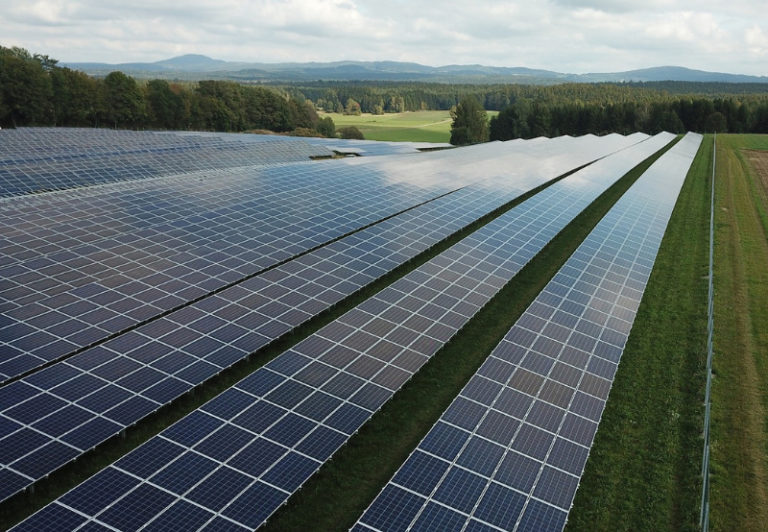
• GROUND SYSTEMS
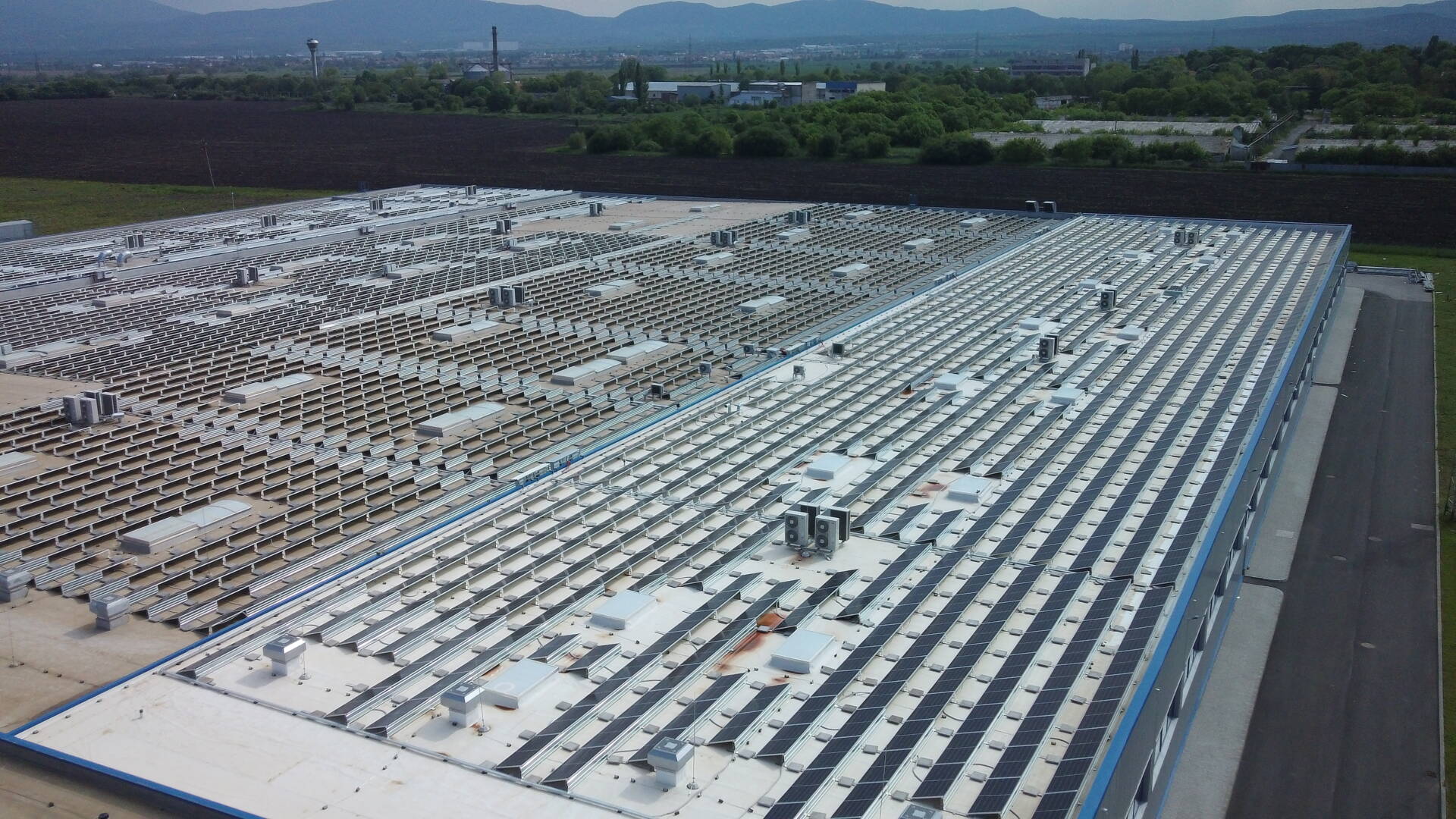
• ROOFING SYSTEMS
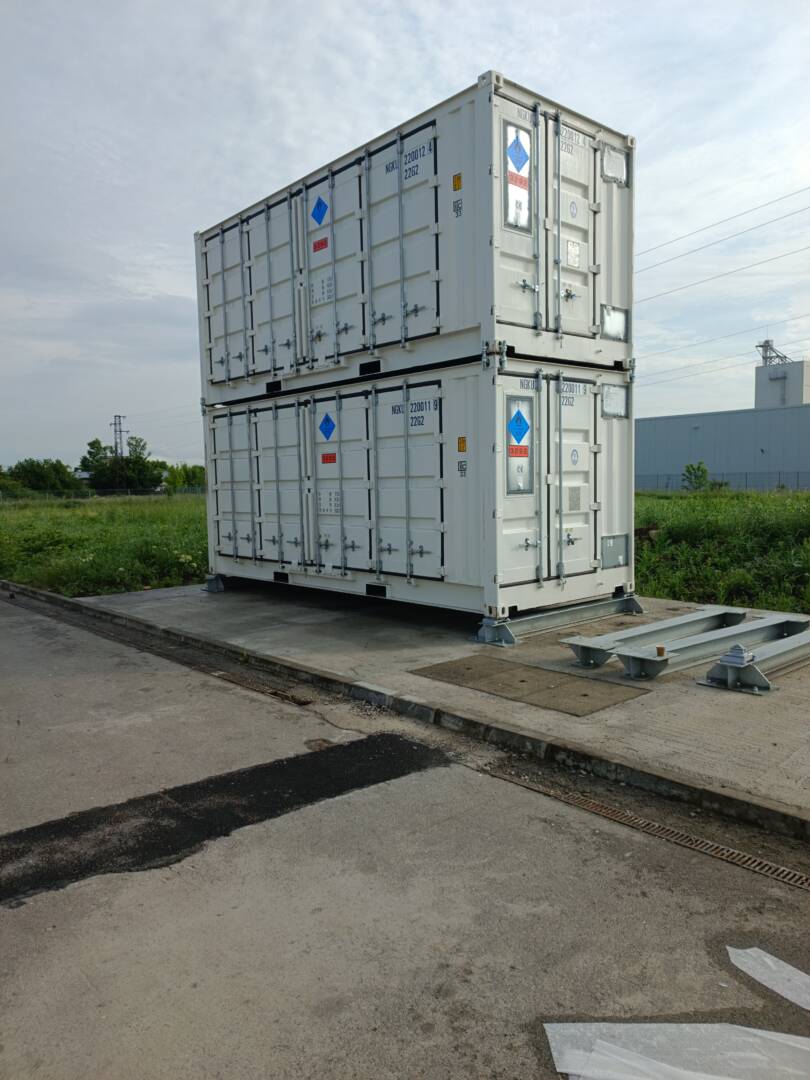
• BATTERY SYSTEMS (BESS)
50+ PHOTOVOLTAIC SYSTEMS DESIGNED
DESIGN STAGES:
Assessment of objectives and needs: At the beginning of the design, it is important to define the objectives of the PV power plant with/without BESS and assess energy needs. This includes the definition of the desired system capacity, the expected annual production capacity and the BESS capacity.
A solar potential assessment is performed for the exact geographic location, including solar radiation analysis, tilt, orientation and shading.
Determination of the solar park capacity and the corresponding BESS capacity. Factors such as solar generation profiles, electricity exchange price profile, desired level of autonomy, and energy consumption profile are considered.
The integration of BESS with the power grid. This may include the provision of grid services by the BESS (such as frequency regulation or peak load reduction).
In accordance with the characteristics of the terrain or building determine the possible areas and construction for the installation of the panels, transport access. Determination of locations for installation of technical equipment: inverters, electrical panels, transformer posts, BESS and other facilities.
Determine the type of PV panels, inverters, grid layout, orientation, tilts and mounting method. Stringing of the panels.
Battery technology in BESS: Selecting the right battery technology depending on factors such as energy density, efficiency, lifetime and cost. Charging and discharging strategies.
Schematics for part DC: electrical panels with protection. DC cabling. Connection to inverters.
Schematics for low voltage AC part: electrical panels with protections. AC low voltage cable network. Connection to inverters, to BESS and to step-up transformers.
Schematics for AC High Voltage Part: AC High Voltage Cable Network. Transformer stations and switchgear. Connection to the external network.
Communication between facilities. Energy management system (EMS).